


-

Add: HeBei ShengShi HongBang Cellulose Technology CO.,LTD.
-

Email
13180486930@163.com -

CONTACT US
+86 13180486930


Rubber Powder is a cutting-edge recycled material obtained by grinding waste rubber into fine granules, widely used across polymer compounds, tire production, coatings, industrial gaskets, and more. Amidst rising sustainability standards and advanced recycling technologies, understanding rubber powder uses is vital for manufacturers, engineers, and buyers seeking cost-effective and high-performance solutions. This in-depth guide explores market trends, technical data, production processes, and Rubber powder-821 as a standout product backed by real-world applications and professional insights. 1. Industry Trends & Market Outlook (2024) Global Market Size (2024E): USD 2.4 Billion. Projected CAGR (2024-2029): 7.9% ( Grand View Research, 2024 ). Key Growth Drivers: Circular economy push, tire recycling mandates, cost reduction for rubber compounds, improved nitrile rubber powder resilience. End-use Verticals: Tires, industrial floorings, coatings, sealants, shoe soles, modified asphalt, and sports fields. Emerging Techs: Cryogenic/electro-mechanical grinding, nano-structured fine rubber powder , hybrid rubber/talc blends. 2. What is Rubber Powder? Technical Overview & Main Parameters Material Source & Types Derived from scrap tires, SBR, or nitrile rubber powder . Types include coarse (180-400μm), fine (40-100μm), or surface modified grades for rubber powder coating or anti-tack applications. Key Physical Properties Particle Size: 40–400 μm Moisture Content: <0.5% Purity: >98.7% (free from steel/textile) Bulk Density: 450–650 kg/m 3 International Standards ISO/TS 9273: Rubber recycling - Particle size spec. ANSI/ASTM D5603 for Recycled Rubber Quality REACH/FDA for coating & compound approvals Rubber Powder Parameters & Rubber Powder Uses Table Application Grade (Particle Size) Industry Value-Added (USD/ton) Technical Benefits Rubber powder uses in Tire Tread 80-120 mesh (≤175μm) Automotive 115-150 Good abrasion & consistency Rubber powder for Asphalt Modifier 40-80 mesh (450–180μm) Infrastructure 120-160 Enhanced elasticity, crack resistance Nitrile rubber powder for EPDM Compounds 80–200 mesh (175–75μm) Industrial/Automotive 140-175 Oil/solvent resistance, anti-tack Rubber powder coating Microfine (<63μm) Coating/Construction 155-190 UV, chemical resistance, tight film Talc powder for rubber blend Blend Rubber Compound 25-40 Improves processing, prevents sticking 3. Production Process: Manufacturing Flow of Rubber Powder Stepwise Manufacturing Diagram – Rubber Powder Uses Supply Chain 1. Raw Material Collection: Waste tires, SBR/EPDM scrap, NBR pieces (pre-inspected for contaminants) 2. Primary Shredding: Hydraulic crushers reduce size to 40–100mm chips. Magnetic separator removes steel wire. 3. Fine Grinding/Milling: Cryogenic or ambient mills crush chips to required mesh. Sifter ensures size uniformity (e.g., 80–200 mesh for fine rubber powder ). 4. Surface Modification (Optional): Rubber anti-tack powder, talc powder for rubber, or chemical additives blended in for processing optimization. 5. Packaging & QC: Graded powder packed in moistureproof bags. Samples sent for ISO/ASTM testing—particle size, purity, moisture, and ash content are validated. 6. Supply: Delivered globally for tire, coating, sealant, and downstream rubber powder uses . [▶ Watch Rubber Powder Plant Video (3:28)] 4. Featured Product: Rubber powder-821 Model: Rubber powder-821 | Official Product Page Particle Size: 90–150 μm (typically 100 mesh) Color: Black Purity: ≥99.2%, steel-free Moisture: ≤0.20% Bulk Density: 540–665 kg/m 3 Surface Modifier: Talc-powder blend option for improved anti-tack Compliance: ISO/TS 9273, ANSI D5603, RoHS, REACH Service Life: Up to 20 years in standard tire applications Applications: Tire compounds, rubberized asphalt, sealants, shoe soles, anti-tack powders, coatings Product Comparison Table: Rubber powder-821 vs Key Competitors Brand Product Mesh Size (μm) Purity (%) Moisture (%) ISO Certified Rubber Powder Price (USD/ton) HuaBang Rubber powder-821 90–150 ≥99.2 ≤0.2 Yes 135–160 Genan GENAN Fine Powder 63–180 ≥98.5 ≤0.5 Yes 140–170 Liberty Tire Micro-Rubber® 75–200 ≥97.6 ≤0.6 Yes 152–182 Entech UltraFine Powder 100–200 ≥98.2 ≤0.4 Yes 142–160 5. Technological Advantages: Why Choose Fine Rubber Powder? Fine rubber powder provides increased surface area for better adhesion in rubbers and coatings. Surface-modified powders enable customizable rubber powder uses including anti-tack, heat resistance, & chemical durability. Reduces virgin polymer consumption by 10–25% per formulation ( Elsevier Journal, 2021 ). Meets stringent RoHS, REACH, and ISO environmental compliance. Optimized for both hot melt and aqueous rubber powder coating processes. 6. Tailored Solutions: Customization & Support Customization Options Mesh Size: From 40 mesh (coarse) to 200 mesh (ultrafine) to control modulus, texture, and application fit. Surface Modification: Blending with rubber anti tack powder or talc powder for rubber for optimized processing. Packaging: 20kg, 25kg, 600kg super sacks depending on project size or automated production lines. On-site Technical Training: For major industrial clients installing new rubber powder production line equipment. Certified Manufacturer: HuaBang (22+ years rubber recycling expertise). Key Certifications: ISO 9001:2015, ISO/TS 9273, ANSI D5603, REACH-Compliant. Major Partners: Goodyear, Michelin, State Grid, LG Chemical. Reference: Major use in rubber powder uses for national expressway asphalt projects since 2018. 7. Application Case Studies & Industry Feedback Case 1: Rubber powder-821 in Tire Compounds ( Leading global tire OEM, 2023 ) Formula: 9% Rubber powder-821 + SBR + Silica + Antioxidant Achieved: 7% wear improvement; cost savings 12%/batch; passed ISO 28580 rolling resistance test Customer Quote: “High purity and uniformity of powder-821 allowed for seamless integration into our green tire recipes” ( Lead Material Engineer, APAC ). Case 2: Modified Asphalt in Municipal Infrastructure Project: State expressway (500km), completed 2022 Composition: 14% rubber powder-821 w/ talc powder for anti-tack Result: Rutting reduced by 31%, surface microcracking reduced, cost per km decreased by 10.4% Case 3: Rubber powder coating for Industrial Floors Usage: Blended microfine powder with latex emulsion, sprayed onto warehouse floors Benefits: Enhanced non-slip, chemical & UV stability, wears 2x slower than mineral-based coatings Standard: ASTM D4060 (Abrasion), ISO 8191 (Flame Spread) 8. Professional FAQ: Rubber Powder Terminology Explained Q1: What is the difference between fine rubber powder and standard rubber powder? A: Fine rubber powder (usually <100μm) has a larger surface area, providing superior dispersion and adhesion in polymers, coatings, and sealants. Standard powder (150–400μm) is mainly used for bulk fill or cushioning. Q2: How does nitrile rubber powder differ from SBR powder in applications? A: Nitrile rubber powder is oil/chemical resistant and often used in industrial gaskets and automotive sealants, while SBR powder is favored in tires, rubber flooring, and shoe soles for abrasion and cost benefits. Q3: What is the function of rubber anti tack powder ? A: Anti tack powders (talc/silica or specialty blends) prevent rubber sheets from sticking during mixing, storage, or transport, speeding up production lines and enhancing compound uniformity. Q4: Are there industry-recognized standards for rubber powder uses ? A: Yes. Key standards include ISO/TS 9273 (size and purity), ANSI/ASTM D5603 (recycled rubber), ASTM D412 (mechanical testing for rubber blends), and REACH/FDA when used in coatings or food-contact items. Q5: What are the key parameters to control when choosing rubber powder? A: Particle size (mesh), moisture content, steel fiber contamination, ash, surface chemistry (e.g., talc-coated), and international certifications. Q6: How does talc powder for rubber complement rubber powder? A: Talc acts as a processing aid, prevents sticking, and improves compound flow. In rubber powder, talc coating can further facilitate blending and anti-tack properties in extrusion or calendering. Q7: What support is available from the supplier for commissioning a rubber powder production line ? A: Suppliers such as HuaBang provide design consultation, equipment specification, on-site training, and post-installation technical support to ensure compliance with ISO/ASTM standards and maximum process efficiency. 9. Delivery, Warranty & Support Lead Time: Standard shipment within 7–15 business days after order confirmation. Warranty: 2-year product guarantee. Technical support provided throughout project lifecycle. Quality Control: Every batch tested for size, purity, and performance per ISO/ASTM. Support Channels: 24/7 technical hotline, rapid response (<1h for urgent issues), on-site consultation available for large-scale users. Customized supplier audits and documentation for major contracts in petrochemical, metallurgy, and water supply sectors. 10. FAQ: Frequently Asked Questions about Rubber Powder Uses Q1. Can rubber powder replace virgin rubber completely? A: It is generally used as a partial replacement (up to 35% in most compound recipes) to balance cost and mechanical performance. Q2. What is the most cost-efficient rubber powder price range in 2024? A: For fine mesh (80–120 mesh) rubber powder, USD 135–172/ton depending on purchase volume and surface modification. Q3. Which industries most benefit from rubber powder uses ? A: Tire manufacturing, asphalt modification, shoe sole compounding, industrial gaskets, and high-performance rubber powder coating . Q4. How long does Rubber powder-821 last in real applications? A: Up to 20 years in properly formulated tire treads; 6–12 years in external sealants or coatings under normal UV exposure. Q5. Any certifications required for export? A: Yes – ISO/TS 9273, REACH, MSDS, and local environmental certification are mandatory for key markets. 11. References & Further Reading “Recycled rubber powder has revolutionized the tire and elastomer sector, providing a circular solution with stable costs and eco-profile. Its adoption in polymer modification has seen a steady increase, driven by performance and sustainability mandates.” — Rubber News Recycling Forum, 2023 “Multi-functional rubber powder uses span from high-performance asphalt to advanced polymer coatings, validated by international standards and real-world case studies.” — Construction & Building Materials, Elsevier, 2021 “The maturity of rubber powder production line technology combined with ISO/TS based QC has made China and EU leaders in the recycled rubber market.” — Grand View Research, 2024 Explore detailed product data and technical support at: Rubber powder-821
- 40000tons

Production
- 20+years

Experience
- 5000+㎡

Acreage

-
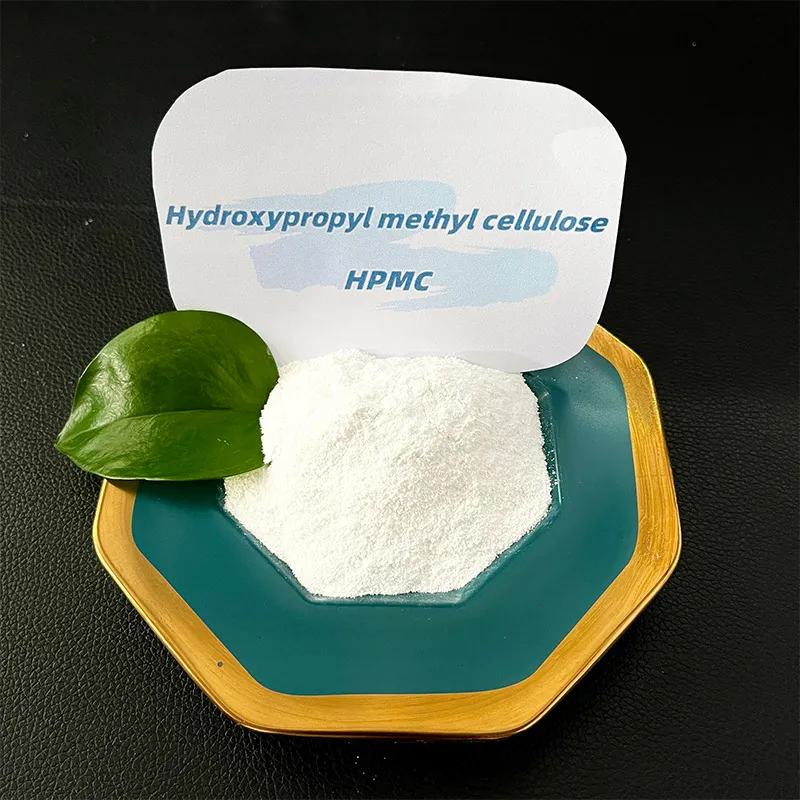
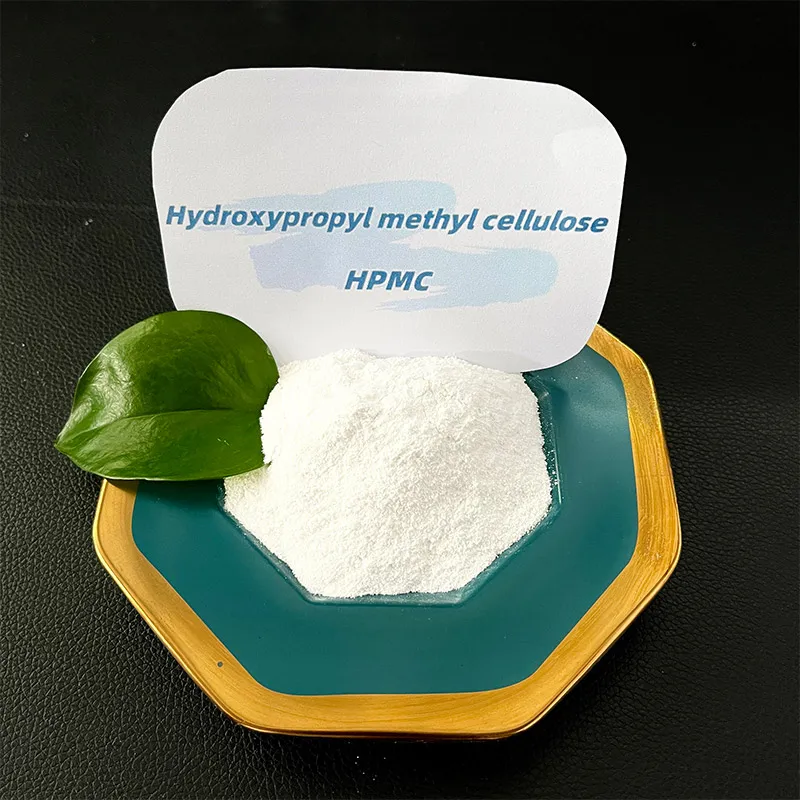
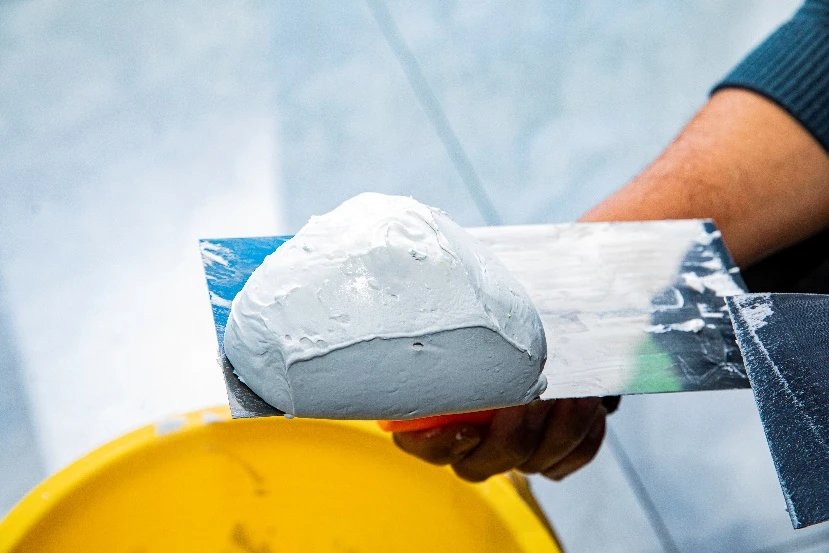
Hydroxypropyl Methyl Cellulose HPMC is a highly versatile cellulose ether widely used in various industries for its exceptional properties such as thickening, water retention, film formation, and stability. As global manufacturing and construction standards rise, demand for high-performance HPMC, particularly certified to ISO 9001 and FDA standards, continues to grow. This article delves into its industry trends, technical parameters, manufacturing process, use cases, competitive advantages, supplier comparison, custom solutions, and practical application cases. Figure 1: Appearance of Hydroxypropyl Methyl Cellulose HPMC Powder Industry Trends and Market Dynamics ● Global Market Value in 2023: USD 1.20 billion ( source ), with an expected CAGR of 5.5% through 2028. ● Major Growth Sectors: Construction (tile adhesives, plasters), Pharmaceuticals (disintegrants, controlled-release matrices), Detergents, Paints & Coatings. ● Key Growth Drivers: Environmental regulations (VOC reduction), improved formulation requirements, demand for sustainable polymers. ● Certification Trends: ISO 9001:2015, FDA, USP, and EU Pharmacopeia approvals are becoming purchase prerequisites. Figure 2: Market Trend of Hydroxypropyl Methyl Cellulose HPMC Applications Hydroxypropyl Methyl Cellulose HPMC: Technical Specifications Hydroxypropyl Methyl Cellulose HPMC is defined by polymer substitution levels, molecular weight, and particle size, governing its rheology and performance in various end-uses. Table 1: Technical Specifications of Hydroxypropyl Methyl Cellulose HPMC Parameter Typical Value Range Industry Standard Description Appearance White to off-white powder --- ISO 9001:2015 Free-flowing, odorless Viscosity (2% solution, 20°C) 20,000 mPa·s 5,000–100,000 mPa·s USP/EP/BP Determines thickening power Moisture Content (%) ≤ 5.0 3 – 7 USP/Ph. Eur Ensures storage stability Methoxy Content (%) 19.0 – 24.0 16.5–32.0 ISO 2481 Relates to hydrophilicity Hydroxypropoxy Content (%) 4.0 – 12.0 4.0–32.0 ISO 2481 Impacts gel temperature pH Value (1% sol. 25°C) 6.5 – 8.0 5.0–9.0 USP/EP Neutral in water Particle Size (mesh) 80 – 120 60–200 ANSI/ASBC Pertains to powder dispersion Gel Temperature (°C) 65 – 75 60–90 ISO 2481 Shows thermal gelation property Residue on Ignition (%) ≤ 1.5 0.5–2.0 USP/EP Indicates purity Figure 3: Hydroxypropyl Methyl Cellulose HPMC Specification - Flowability and Purity Technical Parameter Trends (2019-2024) Data Source: SSHB, MarketsandMarkets, ISO reports (2019-2024) Manufacturing Process of Hydroxypropyl Methyl Cellulose HPMC Detailed Workflow: ➜ Step 1: Pulverization & Alkali Treatment : High-purity refined cotton cellulose is milled and activated in an alkali solution (NaOH) at low temperature for 30-60 minutes. ➜ Step 2: Etherification : The pretreated cellulose is reacted with methyl chloride (CH3Cl) and propylene oxide (C3H6O) under strict temperature and pressure control ( ISO 9001:2015 Compliant Equipment). ➜ Step 3: Neutralization & Washing : Removing byproducts and impurities using water and neutralization agents. Purity > 99.5% is ensured. ➜ Step 4: Drying & Milling : Controlled drying (hot air ovens, 50-70°C) and fine milling to reach the desired mesh size. ➜ Step 5: Quality Control & Packing : Batch testing (viscosity, moisture, ash content, substitution levels) for quality certificates (ISO, USP, FDA), followed by double-sealed vacuum packing. Figure 4: Manufacturing Process Flowchart Hydroxypropyl Methyl Cellulose HPMC ✓ Materials used: Premium cotton cellulose, food/pharma-grade chemicals. ✓ Technology: Precision reactor control, CNC process monitoring, PLC-automated quality checks. ✓ Compliance: ISO 9001:2015, FDA, USP, ANSI standards at all stages. ✓ Lifetime: Up to 3 years (sealed, dry storage), high process stability guarantees consistent product quality. Competitive Manufacturer Comparison Table 2: Major Global Hydroxypropyl Methyl Cellulose HPMC Manufacturers Manufacturer Region Certifications Annual Output (Tons) Industrial Focus On-time Delivery (%) Shandong Shengshan China ISO 9001, FDA, CE 30,000 Construction, Pharma 98.7 Dow Chemical US/EU ISO 9001, FDA, USP 22,000 Pharma, Food, Coatings 96.4 LOTTE Fine Chemicals Korea ISO 9001, EP 17,000 Industrial, Laundry 98.2 Ashland EU/US GMP, FDA, ISO 9001 15,500 Pharma, Paint 97.1 Shin-Etsu Japan ISO 9001, FDA, Kosher 19,500 Pharma, Food 99.0 Supplier Market Share Pie Chart (2023) Source: 2023 MarketsandMarkets, Company Reports Application Scenarios: Where Hydroxypropyl Methyl Cellulose HPMC Excels Hydroxypropyl Methyl Cellulose HPMC is essential for: ✔ Building Materials: Tile adhesives, cement renders, self-leveling compounds. Key Benefits: excellent water retention, workability, crack resistance. ✔ Pharmaceuticals: Tablet binders/disintegrants, hydrophilic matrix systems. Key Benefits: Controlled release, FDA/USP compliance. ✔ Paints & Coatings: Rheology modifier, film former. Key Benefits: Improved brushability, stability, anti-sag properties. ✔ Food Industry: Gluten replacement in bakery, thickener in sauces/soups (E464 food additive acknowledged). ✔ Personal Care: Lotions, shampoos – thickening, emulsifying. ✔ Oilfield & Construction Chemicals: Fluid loss agent, water blocking. ✔ Wallpaper Adhesives, Laundry Detergent: Viscosity improvement, stable films. Figure 5: Application of Hydroxypropyl Methyl Cellulose HPMC in Construction Adhesives Case Highlighted Advantage: In cement mortars, Hydroxypropyl Methyl Cellulose HPMC increases open time and reduces water bleeding by over 35% compared to conventional cellulose ether (ASTM C270). Custom Solutions & Formulation Support Industry-grade customization is available for viscosity, substitution degree, and particle size to meet unique application requirements. ★ Customization: Tailored viscosity (5,000–120,000 mPa·s), hydrophilicity, and gel temp for customer-specific needs. ★ Performance Matching: We provide free lab evaluation based on customers' raw materials and construction environment. ★ Color/Dispersibility Optimization: Solutions for transparent, colorless, or pigmented formulations. Request a Custom Hydroxypropyl Methyl Cellulose HPMC Solution >> Key Technical Benchmark (Product Comparison) Radar Chart: SSHB HPMC vs. Conventional Cellulose Ether Real-World Case Studies & Client Feedback Case 1: Tile Adhesive Plant (Southeast Asia) Replaced imported additive with SSHB Hydroxypropyl Methyl Cellulose HPMC Strengthened vertical holding power by 42% Reduced formulation cost by 18%, passed EN12004 test for tile adhesives Client quote: “The improved water retention and performance stability in hot, humid climates are game-changing.” Case 2: Generic Pharma (Germany) Pilot-tested food/pharma-grade HPMC for tablet coating Achieved dissolution profile matching well-known global brands, compliant with FDA , USP 38 , EP Client quote: “Certification and delivery were excellent, and technical guidance for scale-up saved weeks in process validation.” Case 3: Thermal Mortar Project (Middle East) Customized high water retention HPMC grade for gypsum-based mortar Increased open time by 37%, reduced microcracking by 27% Technical service included on-site product adjustments and after-sales support Certifications, Compliance & Quality Assurance ⚡ Standards Met: ISO 9001:2015, FDA, USP, EP, BP, ANSI, EN12004, ASTM C270 ⚡ Third-Party Testing: SGS, Intertek validation reports ⚡ Cooperation: Major international construction, pharma, and food brands ⚡ Lifecycle Expectancy: 3 years shelf life under sealed, dry conditions ⚡ Support: 24/7 technical hotline, formulation consulting, rapid sample delivery Delivery, Warranty & Customer Support ☑ Delivery Times: Standard dispatch 7-15 days after order confirmation; rush orders available for strategic partners ☑ Warranty Policy: All Hydroxypropyl Methyl Cellulose HPMC products covered by 18-month quality warranty ☑ After-sales: Global online support, on-site technical service for bulk clients, instant troubleshooting and process upgrading based on usage feedback ☑ Quality Commitment: All batches accompanied by test reports and compliance certificates (ISO/SGS/FDA) FAQ: Professional Terminology & Application Insights 1. What is the basic material for manufacturing Hydroxypropyl Methyl Cellulose HPMC ? Answer: Premium-grade purified cotton cellulose, chosen for high alpha-cellulose content (>95%), ensures polymer stability and minimal impurities. 2. What range of viscosity is commonly supplied for Hydroxypropyl Methyl Cellulose HPMC in construction? Answer: 15,000–100,000 mPa·s at 2% solution (20°C) for tile adhesives; customized for specific rheological profiles (ASTM D2363 verification). 3. Which international standards and specifications are referenced for HPMC quality control? Answer: ISO 9001, USP, Ph. Eur, BP, ANSI, ASTM C270, EN12004. Each certifies aspects of purity, performance, and safety. 4. How is HPMC analyzed for substitution type and level? Answer: Gas chromatography (GC) and nuclear magnetic resonance (NMR) techniques accurately quantify methoxy (19–24%) and hydroxypropoxy (4–12%) content. 5. What guidelines should be followed for industrial installation and use? Answer: Follow ISO 2481 for storage/handling. Hydrate with high-shear mixers, gradually adding powder to avoid lumping. pH adjustment (6.5–8.0) optimizes dispersal. 6. How does Hydroxypropyl Methyl Cellulose HPMC improve product shelf life? Answer: Its high purity, low moisture (<5.0%), and heat-sealed packaging minimize microbial contamination, protected by vacuum-sealed multilayer bags. 7. Is food/pharma-grade Hydroxypropyl Methyl Cellulose HPMC suitable for hypoallergenic or vegan product lines? Answer: Yes, certified HPMC is allergen-free, gluten-free, and vegan (meets FDA/USP/EP E464 food additive rules). Summary & References Hydroxypropyl Methyl Cellulose HPMC stands out as an irreplaceable functional additive, offering technical advantages and regulatory compliance for industries globally. Its adoption is fueled by stricter quality requirements, rising sustainable construction trends, and full-spectrum technical support from leading manufacturers. For deeper industry insights: “ Cellulose Derivatives in Food and Pharma: Regulation and Trends ” ( Journal of Agricultural and Food Chemistry ) “ Performance of HPMC in Construction Materials ” ( Construction and Building Materials ) “ Hydroxypropyl Methylcellulose Market Analysis ” ( Market Research Report ) HPMC application discussions at Eng-Tips Chemical Engineering Forums
-
Chemical materials have become an integral part of countless industries, enabling innovations and improving the quality of everyday products. Understanding the relevance and application of these materials can unlock potential for businesses and innovators alike . The chemistry behind these materials, their synthesis, applications, and safety considerations are imperative in establishing authority, expertise, and trustworthiness in the field. At the core of understanding chemical materials lies the expertise in their categorization and application. Chemical materials include polymers, ceramics, alloys, composites, and bio-materials, each playing unique roles in industrial and consumer applications. For instance, polymers such as polyethylene, polystyrene, and polyvinyl chloride are pivotal in the manufacturing of packaging materials, household goods, and clothing. Their versatility stems from customizable properties like flexibility, durability, chemical resistance, and cost-effectiveness. Ceramics, known for their thermal stability and hardness, contribute significantly to the creation of heat-resistant tiles, insulators, and optical materials. Expertise in ceramic engineering can push boundaries in electronics, automotive, and aerospace industries, promoting innovation and efficiency. Alloys, a union of metals, expand possibilities in structural applications due to their enhanced mechanical properties. The expertise in tailoring these alloys for specific applications like automotive parts, medical devices, and construction materials is critical to maintaining a competitive edge. The application of composite materials, which combine two or more constituent materials with differing physical or chemical properties, unveils new prospects in industries requiring lightweight yet strong materials. The aerospace and sporting goods industries benefit immensely from composites like carbon fiber-reinforced polymers due to their superior strength-to-weight ratio. Understanding the material science behind these composites allows for enhanced product performance and sustainability, reinforcing a company's innovative stature. Biomaterials merge the intricacies of biology with material science, creating substances suitable for medical applications such as prosthetics, dental implants, and tissue engineering. The safety standards and biocompatibility of these materials are paramount, demanding stringent testing and compliance with international regulatory bodies. Possessing expertise in biomaterials segments a company as a frontrunner in advancing medical technologies. chemical material The intricacies involved in the synthesis and processing of these chemical materials demand authoritative knowledge and experience. It is not only vital to innovatively synthesize these materials but also to sustainably source, process, and recycle them. Sustainable practices in material science, such as using bio-based polymers or recycled metals, significantly contribute to a company's trustworthiness and appeal in a market increasingly sensitive to environmental impacts. Furthermore, maintaining authoritative credibility requires adherence to high safety and quality standards. Industry certifications and accreditations testify to a company’s commitment to excellence and trust. Establishing trustworthiness involves transparency in sourcing materials, manufacturing processes, and engagement with stakeholders regarding product lifecycle and safety concerns. In a digital landscape where information is abundantly available, demonstrating expertise requires proactive engagement with research and continuous learning. Professionals involved in the development and application of chemical materials must bridge the gap between scientific breakthroughs and practical implementation, presenting information understandable both to peers and consumers. For businesses aiming to establish their expertise and authority, focusing on innovation in chemical materials is crucial. Practical applications explored through research collaborations and partnerships with academic institutions can lead to breakthroughs that redefine industries. Sharing such knowledge through credible platforms effectively positions a company as a leader in chemical materials, enhancing its visibility and reputation in both local and global markets. In conclusion, navigating the vast domain of chemical materials necessitates a blend of expertise, authority, trust, and experience. For companies in this field, this involves not only innovating with materials but also ensuring sustainable, safe, and efficient practices. By doing so, businesses not only contribute to technological advancements but also build a trustworthy brand that resonates with industry peers and consumers alike.
advantages
-

200000 Viscosities
Excellent product
We can produce pure products up to 200,000 viscosities
-

40000 tons
High yield
We don’t stop production all year round, and the annual output can reach 40,000 tons
-

24 hours
Quality service
We provide 24-hours online reception service, welcome to consult at any time
———— Inquiry Form
Schedule A services


-
 polypropylene_microfibers
Oct . 25, 2025
Polypropylene fibers have emerged as a revolutionary material in the field of concrete enhancement, -
 hypromellose_hpmc
Oct . 25, 2025
Hydroxypropyl methylcellulose (HPMC) is widely recognized in the realm of product formulation, parti - pp_fibre
Oct . 25, 2025
The construction industry is undergoing a revolution with innovative materials that enhance efficien


